
When I sat down to write my 2026 resolutions, I noticed my procrastination had spiraled after my October exhibition. I tried to understand what was underneath it. Otherwise, I thought, I would set goals and give up after the third week.
Turns out I had experienced something quite common among artists: post-show emptiness. For months, everything is oriented toward one moment, and then it’s over. And suddenly, you have to decide what’s next.
I realized part of the crash was the identity hangover that follows visibility. When outcomes feel uncertain, the instinct is to retreat. No matter how much I work on myself, I can’t erase some core patterns. But I can design and build scaffolding around them. And what is scaffolding if not a structure that holds us steady?
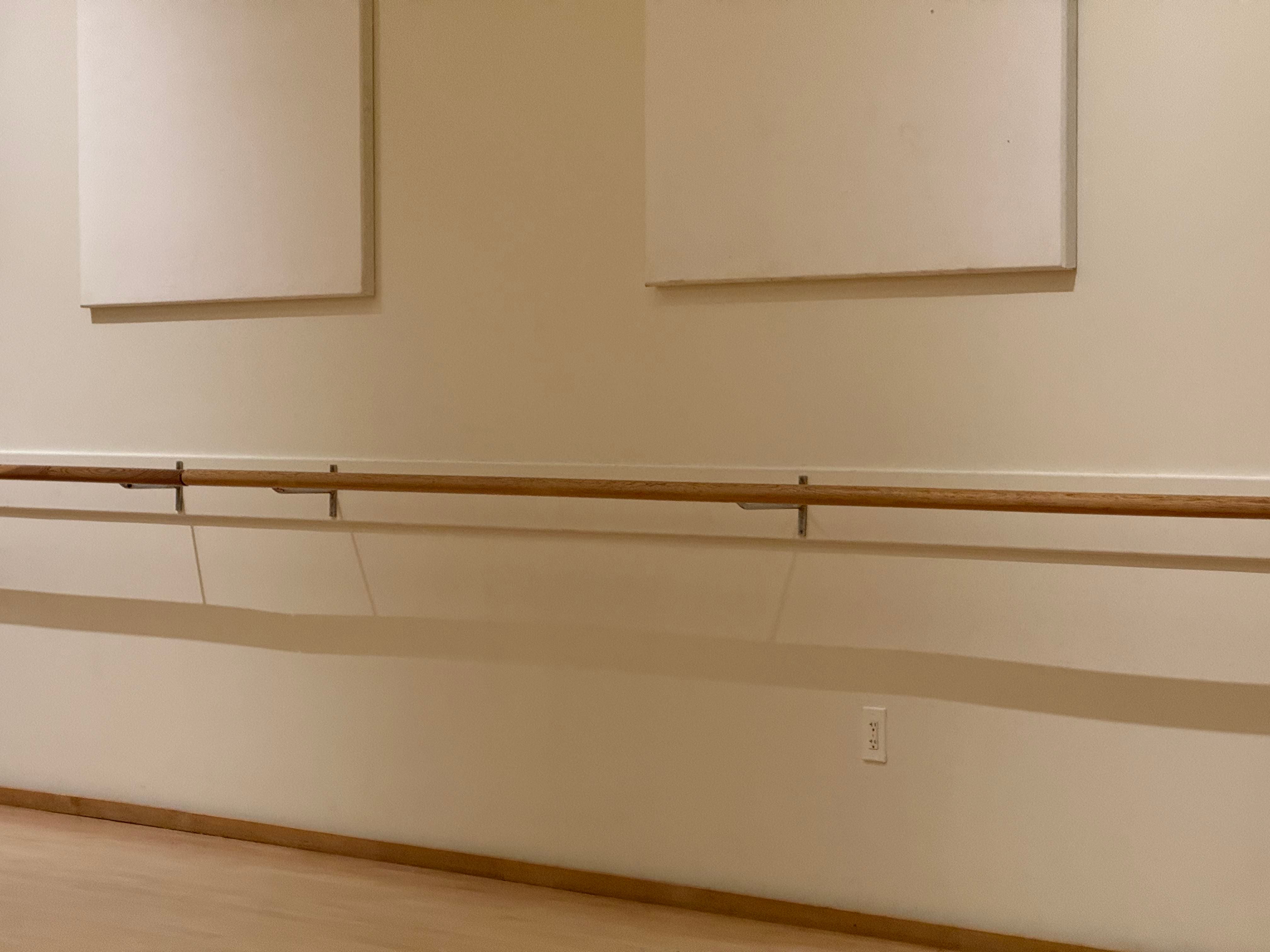
I needed to commit to something. After quitting six years ago, I went back to dancing.
I stopped dancing when I moved cities and started working after college. I remember feeling my identity shift, and I wanted to cut away anything that reminded me of who I was before. A part of me had once wanted to dance professionally. When I gave up on that, I couldn’t figure out how to keep doing it just for myself. It never occurred to me that I could just do it without expecting anything in return.
A hobby is, by definition, something we do in our free time and don’t get paid for. Dancing has become a hobby for me. I want my hobbies to enrich my work. Like breath under movement.
I’ve also picked up something I’d always disregarded: fashion. Both the philosophy behind it and the practice of dressing with intention (style, sensibility, materials). Becoming more intentional about what I wear feels like it’s already creating a feedback loop with my visual work. And I like the idea of my clothing reflecting the version of me I want to show.
I feel like our hobbies reveal a lot about us. I’d love to know what yours are.
I read every reply.
V.
a book
Fashion: A Philosophy by Lars Svendsen
Fashion is temporary. If it weren’t, it wouldn’t be fashion. That impermanence is liberating, because it removes the pressure of permanence from self-expression.